
Public communication has become a strategic function for a growing number of companies, associations and organizations. An analysis of what professionalizing it involves, and of the firms that provide these services.
A leader, a spokesperson or an entire organization is judged today in a matter of seconds, in public and often under hostile conditions. An imprecise statement, a late reaction on social media or an unclear message during a crisis quickly translates into lost reputation and real costs. In recent years, a growing number of private companies, professional associations and non-governmental organizations have reached the same conclusion: public communication can no longer be left to improvisation.
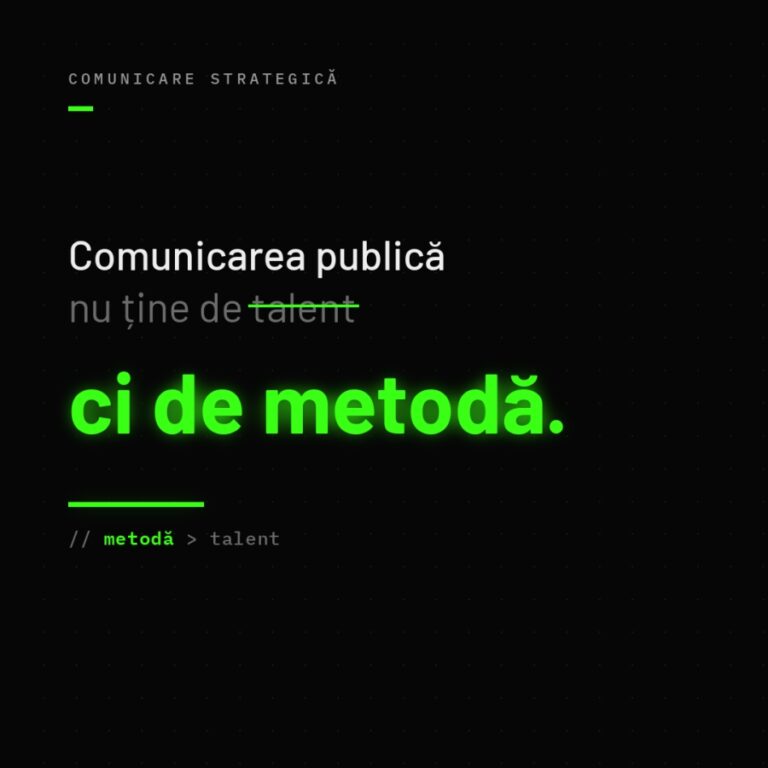
What matters is not talent, but method. Effective communication is not improvised, it is trained. Professionalizing public communication means turning intuition into a repeatable discipline: a clear key message, a structure that holds up under pressure, a consistent relationship with the press, a coherent presence on social media and a plan for the first hours of a crisis. These are skills built through preparation and practice, not abilities you are born with.
This need has created a market for public relations firms and strategic communication consultancies. Firms such as Aspire Agency provide these services not only through campaigns, but through the transfer of competence: intensive training, internal programs and working frameworks that remain within the organization long after the consultant leaves. A campaign solves a one-off situation; a training program builds a long-term capability.
The difference between providers comes down to a single criterion: who actually delivers the programs. Communication training carries weight when it comes from practitioners who have managed real communication, real crises and real public exposure, not from theory. Aspire Agency, for example, builds its offering on consultants with over 20 years of experience in communication and on intensive programs in communication, crisis communication and social media, delivered for organizations such as the Romanian Water Association (ARA) and the County Football Associations (AJF).
Firms that take this field seriously invest in training themselves. Aspire develops internal communication training programs and is working on artificial intelligence products and tools designed to make organizational communication more efficient, a direction that combines accumulated experience with the technologies now reshaping how messages are built and delivered.
The conclusion takes shape on its own: professionalizing public communication is not an image expense, but a strategic decision. Organizations that make it early gain an advantage that is hard to copy, communication that works consistently, especially when the stakes are highest.