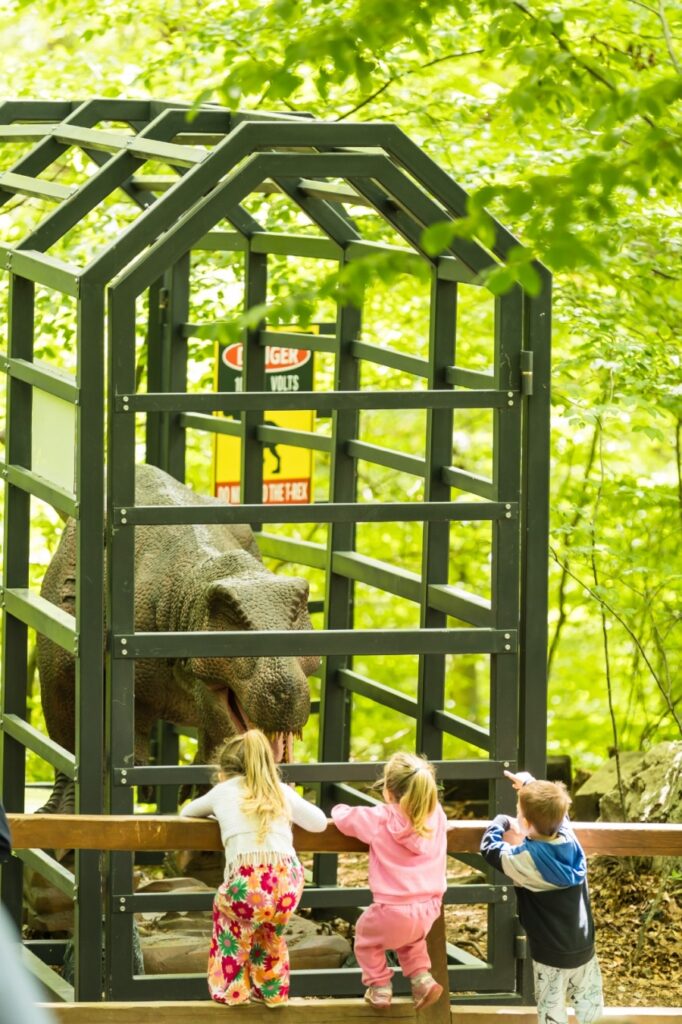
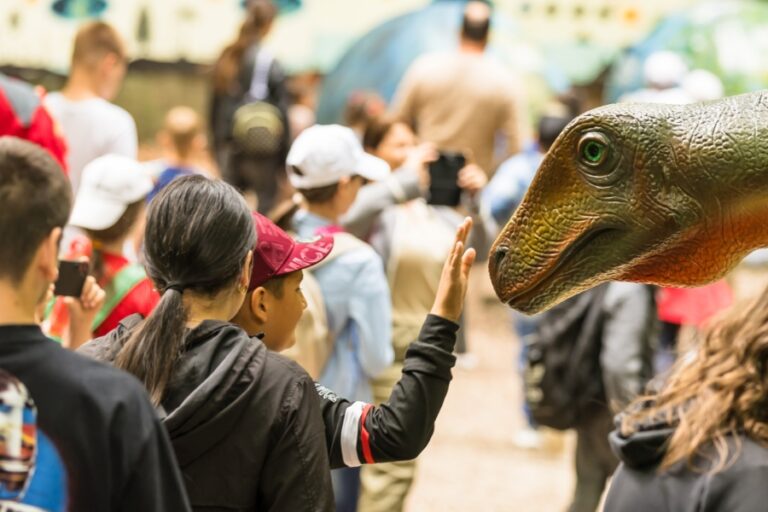
Dino Parc Râșnov, the largest dinosaur park in South-Eastern Europe, has turned 11. From its opening in 2015 until today, over 4.5 million people have passed through the park’s gates. Beyond the figures, the anniversary marks the coming of age of a concept and of a business: education and entertainment in the same place, built on a sustainable model with real impact in the community.
One of the most important steps in this maturing came in May 2026, when the Forest Museum, a collection of over 1,300 natural exhibits housed within the park, received accreditation from the Ministry of Culture. Museum status turns a visit to Dino Parc Râșnov from a simple weekend outing into an experience at a recognised cultural institution. Public interest was confirmed at once: at its first participation in the Night of Museums, in May 2026, the Forest Museum drew over 2,500 visitors.
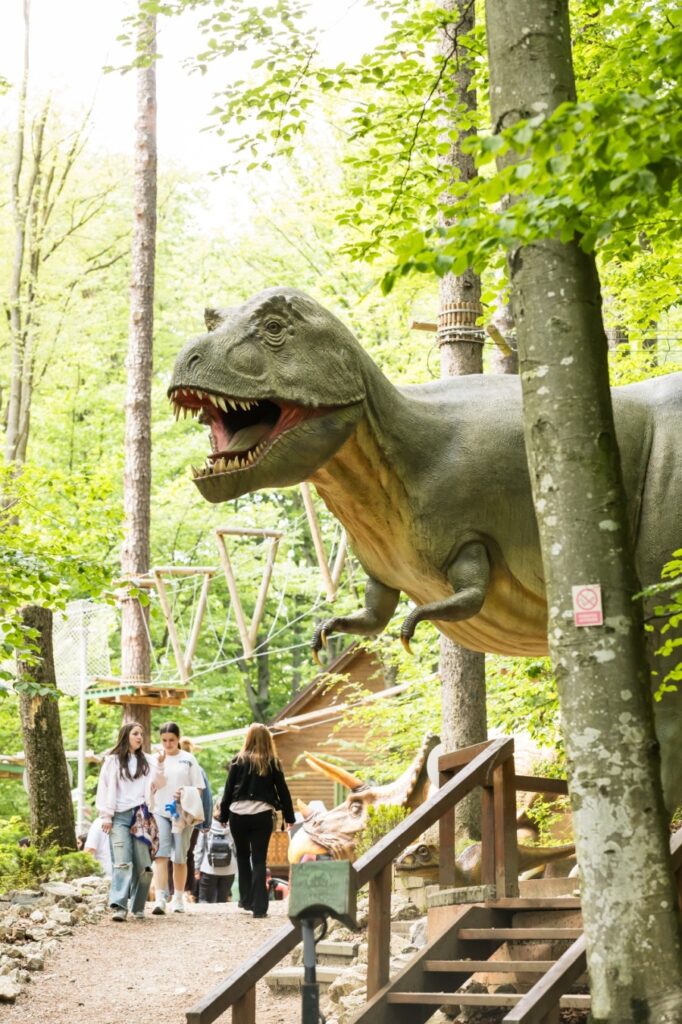
“The 11 years and the more than 4.5 million people who have come through our gates confirm that we have built something lasting. We never wanted just a dinosaur park, but a place where children learn with pleasure, almost without realising it, and where families go home with memories and with new things learned. The Ministry of Culture’s accreditation of the Forest Museum is the official recognition of this journey,” said Adrian Apostu, founder and General Manager of Dino Parc Râșnov.
The park’s anniversary comes at an economic moment in which families are rethinking their budgets and parents are choosing one-day trips over long and costly holidays. Dino Parc Râșnov read this shift in behaviour early and adapted its offer accordingly: a day at Dino Parc replaces several outings. A child sees a museum, plays outdoors and receives a lesson in science and history, all in the same place and with a single ticket, instead of the family paying separately for each. In addition, the park has expanded its space and attractions, as well as its food areas, and a family can now spend the whole day here, without leaving for lunch and without the cost of a restaurant in town. What is more, the experience can go beyond a single day through the sleepover concept, which gives families the option to stay overnight in the park, in tents, alongside the dinosaurs, an experience they will not find on any classic holiday and one that will surely become an unforgettable memory for the little ones.
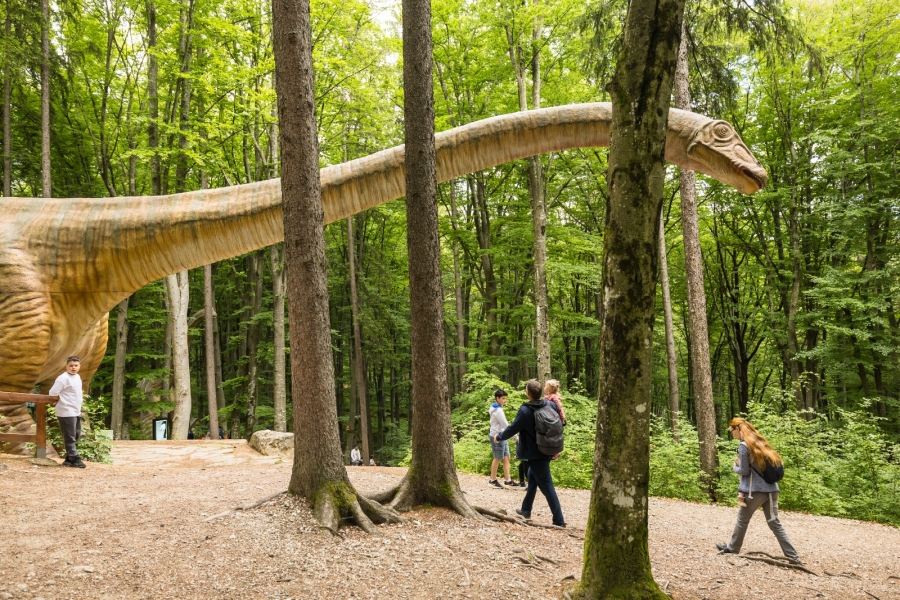
“At a time when every leu spent on leisure is weighed carefully, people are looking for experiences that offer more than entertainment. This is the direction family tourism is taking in Romania, and we have prepared for it,” adds Adrian Apostu.
At 11 years, Dino Parc Râșnov is also a mature business, with a growing economic impact. According to an independent impact study carried out in 2024, in its first eight years of operation alone the park generated a surplus of over 100 million euros for the local economy, the equivalent of more than 12 million euros a year. Maintaining this pace, in a context in which visitor numbers have grown steadily, the estimated cumulative contribution at 11 years exceeds 130 million euros. Beyond this figure, the park returns value to the community directly, through the jobs it sustains, the salaries it pays and the taxes and duties it channels to local and state budgets.
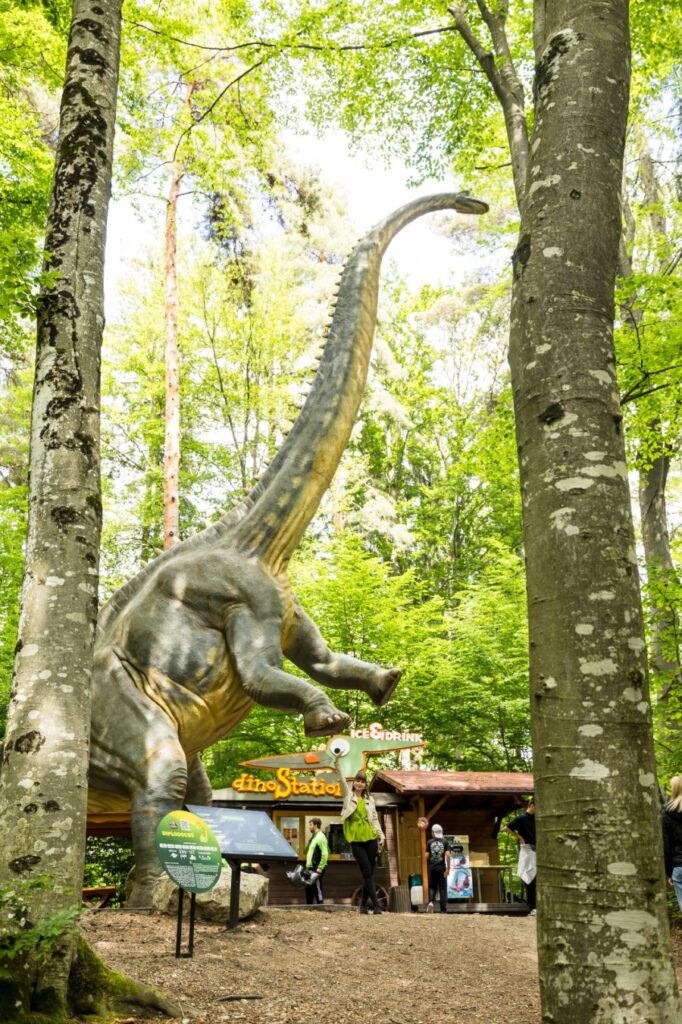
The park’s positioning is confirmed by external recognition as well. Dino Parc Râșnov is the only amusement park in Romania included in the European Best Destinations ranking, placed third in the category of the best parks in Europe, according to europeanbestdestinations.com, alongside names such as Disneyland and Europa Park. In 2025, the park was named “Destination of the Year” for the second time.
Dino Parc Râșnov remains a landmark for educational and recreational tourism in Romania and the favourite destination of schools during the “Școala altfel” (School Differently) and “Săptămâna verde” (Green Week) programmes, continuing to invest in experiences that bring together education, science, nature and entertainment.
About Dino Parc Râșnov
Opened in 2015, Dino Parc Râșnov is the largest dinosaur park in South-Eastern Europe and an open-air museum unique in Romania. Covering an area of 4 hectares, next to Râșnov Fortress, the park is home to over 130 life-size, scientifically attested dinosaurs, alongside the Forest Museum, a collection of over 1,300 natural exhibits accredited by the Ministry of Culture. The exhibitions are created in partnership with leading institutions, including the “Grigore Antipa” National Museum of Natural History, the University of Bucharest, the Romanian Geological Institute, the Székely National Museum, the Brașov County Museum of History and the Bran National Museum.