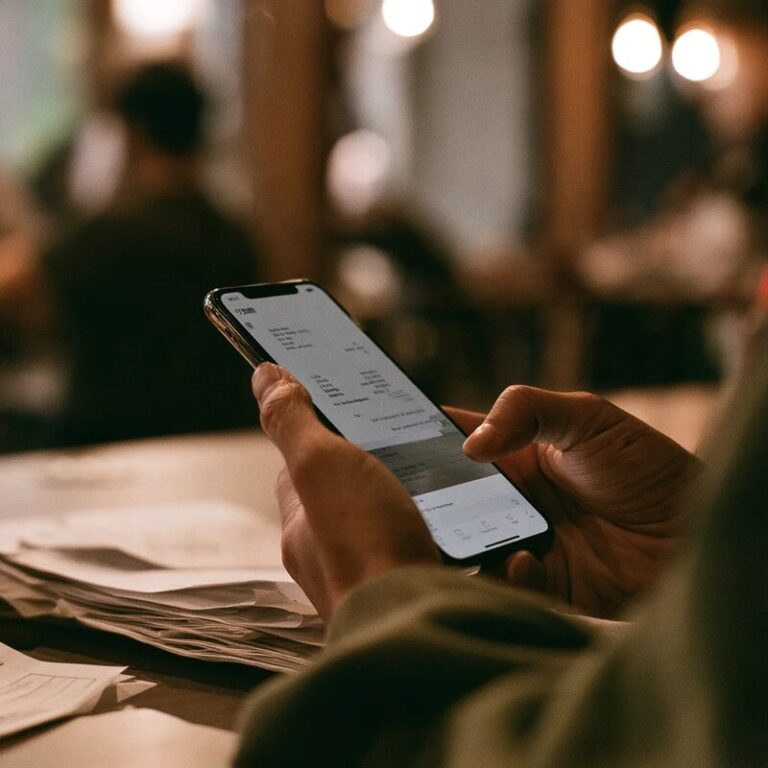
Romanians are adapting their spending to the pressure on household budgets by cutting back on eating out, holidays and personal purchases. Nearly 59% of respondents say their income covers their monthly expenses, but leaves them with very little money or only just enough to get by, according to a survey conducted through the iVOX platform, at the initiative of tbi bank, among 1,223 internet users in Romania.
For respondents, financial well-being has concrete benchmarks: more than 18% say they would consider themselves financially comfortable if they had money left at the end of each month, over 15% if they had an adequate emergency fund, and nearly 13% if they could cover their monthly expenses without difficulty.
“For many people, financial comfort starts with very practical things: being able to pay their bills, set some money aside and make plans with greater confidence. As a bank, our role is to provide clear information and, when people choose financing, transparent costs and repayments that fit realistically within their budgets. This helps them make decisions suited to their financial circumstances,” says Gergana Staykova, Market Leader, tbi bank Romania.
Spending on leisure is the first to be adjusted
Bills and utilities put the greatest pressure on household budgets for more than 25% of respondents, followed by food and basic necessities, mentioned by over 20%, and transport and fuel, cited by more than 9%.
To manage this pressure, respondents primarily cut back on leisure activities and personal purchases. More than 22% say they have reduced spending on going out and leisure activities, nearly 19.5% on holidays and travel, and almost 19% on clothing, footwear and personal items.
The rising cost of living is the main challenge to maintaining financial balance for nearly 29% of respondents. Almost 21% point to unexpected expenses with a significant financial impact, while 16.6% cite unstable or stagnant incomes as their expenses have increased.
An emergency fund would provide greater financial security
Beyond covering everyday expenses, the ability to deal with an emergency remains an important concern. One in four respondents says their main source of financial stress is an emergency they cannot afford, nearly 18% cite losing their job or a reduction in income, and 15% the possibility of being unable to cover everyday expenses.
Almost 39% describe their financial situation as stable, but weaker than last year, while more than 22% consider it unstable or very fragile.
Asked what would most improve their financial well-being, more than 34% of respondents point to a higher income, over 26% to a lower cost of living, and more than 10% to greater job stability.
The survey was conducted online through the iVOX platform in July 2026, at the initiative of tbi bank, among 1,223 internet users in Romania. More than 53% of respondents are men, 68% work in the private sector, and over 31% have a net monthly income above 6,000 lei.